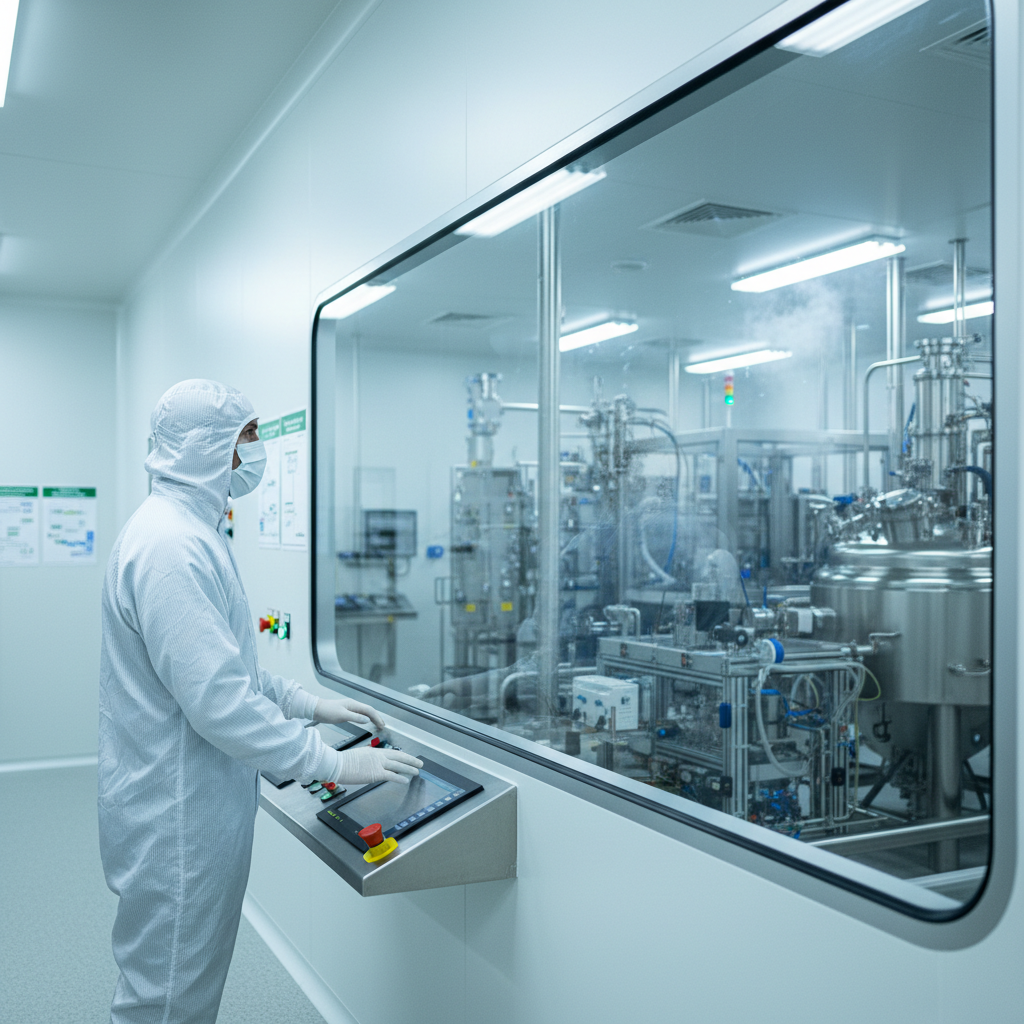
The phrase "lab tested" appears on peptide supplier sites across Australia, but it means very little on its own. What matters is what was tested, which instrument was used, and whether the buyer ever sees the result. For researchers comparing suppliers, understanding how peptide purity is actually verified separates a marketing claim from a reproducible experiment.
What lab tested peptides actually means
Peptide synthesis produces a crude product containing the target sequence plus deletion peptides, truncated chains, and residual reagents. When a supplier says peptides are lab tested, the meaningful version of that statement is clear. The peptide was purified, an analytical method was run on the finished batch, and the result is available as a certificate of analysis.
HPLC and how purity is measured
Reversed-phase high-performance liquid chromatography (HPLC) is the standard analytical method for synthetic peptides. It separates the components of a sample by hydrophobicity, producing a chromatogram in which each peak represents a distinct molecular species. The area of the target peak relative to the total peak area gives a purity percentage. A peptide described as 98% pure by HPLC has passed through a column where 98% of the detected material eluted as the target sequence.
HPLC purity is a strong indicator, but it is not identity. Two peptides with very similar hydrophobicity can co-elute, and the method does not by itself confirm that the main peak is the intended compound. That is why quality laboratories pair HPLC with a second method.
Mass spectrometry confirms identity
Mass spectrometry (MS) determines the molecular mass of the species eluting from the column. The measured mass of the main peak should match the calculated mass of the target peptide. A mismatch means the material is not what the label claims, regardless of how clean the chromatogram looks. HPLC plus MS, often described together as LC-MS, is the combination that confirms both purity and identity, and it is the analysis researchers should look for on a certificate of analysis.
What a certificate of analysis should contain
A useful certificate of analysis records the batch number, the analytical methods used, the measured purity, the date of analysis, and ideally the calculated versus observed molecular mass. Batch-level documentation matters because purity can vary between synthesis runs. A certificate tied to a specific batch, not a generic claim, is what allows a researcher to reproduce conditions across a study.
COA availability is not uniform across the industry, and buyers should ask directly. A supplier that provides a certificate of analysis on request, for the specific batch supplied, is disclosing more than one that describes its products as lab tested in the abstract.
Questions to ask any peptide supplier
- Which analytical methods were used, and is the purity value from HPLC or LC-MS?
- Is the certificate of analysis specific to the batch being supplied?
- Does the certificate list batch number, methods, measured purity, and date?
- How is the peptide stored and shipped to preserve stability after analysis?
None of these questions are answered by a website that simply says lab tested. They are answered by documentation.
The research-grade standard
Research-grade peptides are supplied for laboratory use, not human consumption, and purity expectations should match the experiment. The term pharmaceutical grade refers to production under registered drug manufacturing standards, which is a different bar from research-grade supply in Australia. Greater analytical transparency makes results easier to reproduce and easier to defend. For researchers, the practical test of a supplier is simple. Show the certificate.
Sources
- Journal of Peptide Science, analytical methods for peptide purity assessment. onlinelibrary.wiley.com
- United States Pharmacopeia, peptide and amino acid analytical standards. usp.org
- Merck, reversed-phase HPLC for peptide analysis. sigmaaldrich.com
For educational purposes only. This content is informational and reflects publicly reported research developments. It is not medical advice and makes no therapeutic claims. Products referenced are for research use only. Consult a qualified healthcare professional for any medical question.